Buying property in Turkey is about much more than purchasing an apartment or villa. For many international buyers, it is the first step toward relocating, living in Turkey long-term, or creating a second home by the Mediterranean.
One of the first questions that follows is:
Do I need a residence permit after buying property? Does owning real estate automatically allow me to live in Turkey? What is the difference between a TAPU Residence Permit and a Tourist Residence Permit? Can I apply for Turkish citizenship later?
The answers are not always straightforward. Turkish immigration regulations change over time, while many articles online contain outdated or incomplete information.
This guide explains the current residence permit options available to foreign property owners, the differences between each type of permit, their advantages and limitations, and what you should know before purchasing property in Turkey.
What Is a Residence Permit in Turkey?
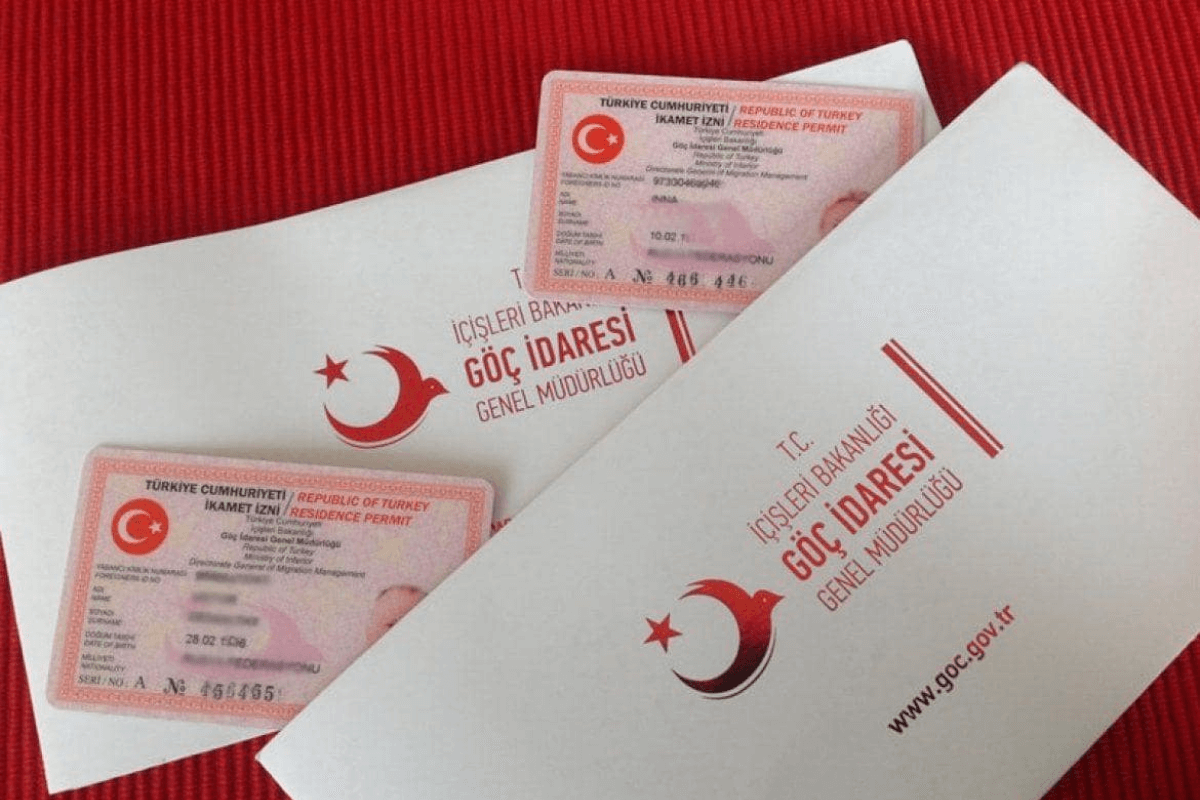
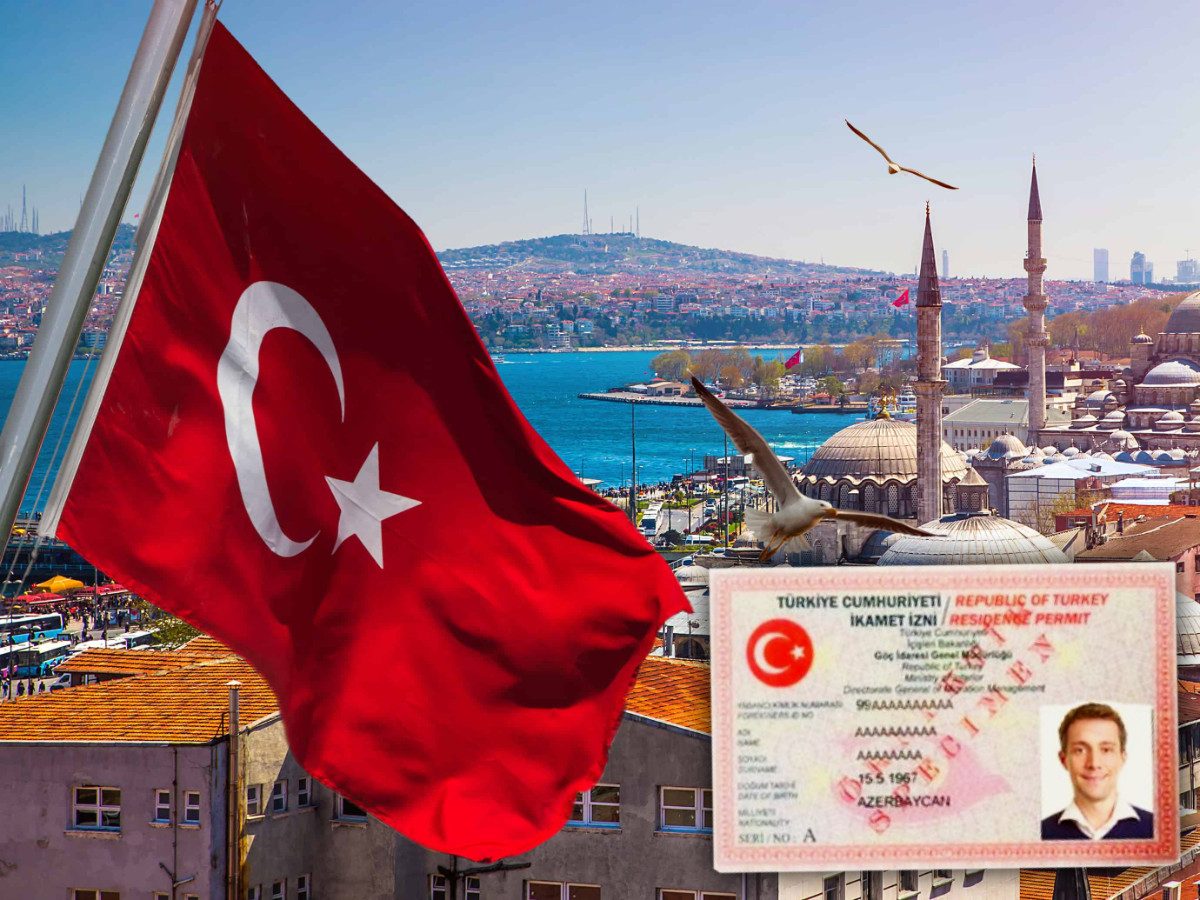
A Residence Permit (İkamet İzni) is an official document that allows a foreign national to live legally in Turkey beyond the period permitted by a visa or visa-free entry.
For many international property buyers, obtaining a residence permit becomes the next step after receiving the Title Deed (TAPU) if they intend to spend more time in Turkey than tourist regulations allow.
It is important to understand that a residence permit is not a visa and does not grant Turkish citizenship. It is simply permission to reside in Turkey for a specific purpose and for a limited period.
Having a residence permit allows you to live legally in Turkey, register your address, access many public and administrative services, use your property as your primary place of residence, and build long-term plans for living in the country.
However, buying property alone does not automatically guarantee a residence permit. Eligibility depends on the legal basis for your application, the characteristics of the property, and the immigration regulations in force at the time of application.
Important: A residence permit gives you the right to live in Turkey, but it does not automatically allow you to work, does not replace Turkish citizenship, and does not guarantee that you will receive a Turkish passport in the future.
Do You Need a Residence Permit After Buying Property?
This is one of the most common questions asked by foreign property buyers.
The short answer is: No.
You do not need a residence permit to buy property in Turkey. Foreign nationals can purchase apartments, villas, commercial premises or land without first obtaining a residence permit.
Likewise, a residence permit is not required to register ownership or receive the Title Deed (TAPU).
However, if you plan to stay in Turkey longer than your visa or visa-free period allows, you will need to apply for an appropriate type of residence permit.
In other words, buying property and obtaining a residence permit are two separate legal processes. They often follow one another, but one does not automatically lead to the other.
What Types of Residence Permits Are Available in Turkey?
Turkish immigration law provides several categories of residence permits, each designed for different circumstances.
However, not every type is relevant to property buyers. Most foreign homeowners apply for one of three residence permit categories, depending on their goals, the official value of the property they purchase, and their personal circumstances.
Below are the residence permit types that are most relevant to international property buyers.
Residence Permit Based on Property Ownership (TAPU)
A Residence Permit based on property ownership, commonly referred to as a TAPU Residence Permit, is one of the most popular options for foreign nationals who intend to live in Turkey on a long-term or permanent basis.
The legal basis for the application is ownership of residential real estate confirmed by a registered Title Deed (TAPU).
According to the regulations in force as of August 2026, the official cadastral value of one residential property must be at least USD 200,000 to qualify for this type of residence permit.
Several important rules should be understood before purchasing property:
- The official cadastral value stated in the property documents is considered, not the market price.
- The minimum value requirement must be met by a single property.
- The value of multiple apartments or houses cannot be combined to reach the required threshold.
For example, purchasing two apartments with official values of USD 100,000 each does not qualify for a TAPU Residence Permit.
For this reason, it is essential to verify not only the property's market price but also its official cadastral value before completing the purchase.
At Demirağ Property, we help clients verify that a property meets the current residence permit requirements before signing the purchase agreement, ensuring that the chosen property supports your long-term goals—whether that means relocating to Turkey, living here permanently, or preserving the possibility of applying for Turkish citizenship through naturalisation in the future, provided all legal requirements are met.
Important: Residence permit regulations and minimum property value requirements may change over time. Before purchasing property, always confirm the latest rules with the specialists at Demirağ Property.
Tourist Residence Permit
If the official value of your property is below USD 200,000, it does not necessarily mean that you cannot obtain a residence permit in Turkey.
In many cases, property owners can apply for a Tourist Residence Permit. This type of permit allows foreign nationals to live legally in Turkey and use their property as their place of residence.
A Tourist Residence Permit is generally issued for up to two years. As long as you continue to own the property and comply with the current immigration regulations, it may be renewed.
The key difference between a Tourist Residence Permit and a TAPU Residence Permit is that a Tourist Residence Permit does not provide a basis for applying for Turkish citizenship through naturalisation after five years of residence.
If your goal is to spend several months a year in Turkey, live in your own apartment, or relocate without planning to apply for citizenship, a Tourist Residence Permit may be the most suitable option.
However, if you intend to make Turkey your permanent home and would like to preserve the possibility of applying for citizenship in the future through the standard naturalisation process, it is important to confirm before purchasing property whether the selected property qualifies for a TAPU Residence Permit.
Important: The validity period, renewal conditions and eligibility requirements for a Tourist Residence Permit are determined by current Turkish immigration legislation and may change over time. We recommend confirming the latest requirements with the specialists at Demirağ Property before purchasing property.
Residence Permit Based on a Rental Agreement
Another option is obtaining a residence permit based on a long-term residential rental agreement.
This type of permit is intended for foreign nationals who have not yet purchased property but wish to live in Turkey temporarily.
It is important to understand that a residence permit based on a rental agreement is not guaranteed. Every application is assessed individually by the Turkish immigration authorities, and both approval and renewal depend on the regulations in force at the time of application.
For this reason, renting is generally considered a temporary solution, while owning property usually provides a more stable basis for long-term residence.
Other Types of Residence Permits
Turkey also offers several other categories of residence permits, including:
- Family Residence Permit
- Student Residence Permit
- Humanitarian Residence Permit
- Long-Term Residence Permit
- Residence Permits for medical treatment or scientific research
Each category has its own legal basis, eligibility criteria and application requirements.
However, for most international property buyers, the TAPU Residence Permit and the Tourist Residence Permit are the two most relevant options.
What Benefits Does a Residence Permit Provide?
For most foreign property owners, a residence permit is much more than permission to stay in Turkey beyond the standard tourist period. It makes everyday life considerably easier and provides access to a range of public services.

After obtaining a residence permit, you can:
- legally live in Turkey for the duration of your permit;
- register your residential address;
- access healthcare through the Turkish Family Physician system;
- enrol your children in public schools, where education and textbooks are provided free of charge;
- register children for municipal sports clubs, educational programmes and extracurricular activities (subject to local municipality services);
- use municipal sports facilities and other public amenities available to residents;
- open bank accounts, arrange utility contracts and complete many administrative procedures more easily.
It is important to note that a residence permit does not grant the right to work in Turkey. Foreign nationals who wish to work legally must obtain a separate work permit.
Important: The availability of public and municipal services may vary depending on the region and current regulations.
Can Your Family Apply for a Residence Permit?
Yes.
If the main applicant receives a residence permit, their spouse and minor children may also apply, provided they meet the applicable legal requirements.
This allows the entire family to live legally in Turkey, access public services and enrol children in local schools.
For many international buyers, relocating with their family is one of the main reasons for purchasing property in Turkey.
Before submitting an application, it is advisable to determine which type of residence permit best suits your family's circumstances and what documents each family member will need.
Why Can a Residence Permit Be Refused?
Most refusals are not related to the property itself but rather to documentation issues or failure to meet the applicable legal requirements.
The most common reasons include:
- the chosen legal basis does not meet the eligibility requirements;
- an incomplete set of documents has been submitted;
- errors or inconsistencies are found in the application;
- the applicant has not fulfilled all legal conditions;
- regulations have changed for new applications.
Every application is assessed individually, so decisions may differ even in similar situations.
For this reason, we strongly recommend checking all documentation carefully and ensuring that the selected property supports your residence plans before completing the purchase.
Important Changes to Residence Permit Regulations
Turkey's immigration legislation may change over time.
In previous years, the government introduced restrictions on first-time residence permit applications in certain districts where the percentage of foreign residents exceeded the permitted threshold. These measures were introduced to regulate migration levels.
At the time this guide was published, those restrictions on first-time residence permit applications in previously restricted districts had been lifted.
However, one important principle should be understood.
If similar restrictions are introduced again in the future, they generally apply to new applications, rather than to foreign nationals who already hold a valid residence permit and renew it on time.
One of the most common mistakes is allowing a residence permit to expire before applying for renewal.
If your permit expires and your legal residence is interrupted, your next application may be treated as a new application. If immigration regulations have changed in the meantime, obtaining a new residence permit may become more difficult.
For this reason, we recommend monitoring your permit's expiry date carefully and preparing your renewal documents well in advance.
Important: Turkish immigration regulations and residence permit requirements may change. Before purchasing property or submitting an application, always confirm the latest requirements with the specialists at Demirağ Property.
Based on our years of experience, most residence permit issues arise not because applications are refused, but because buyers choose the wrong property, misunderstand the legal requirements, or fail to renew their permits on time.
That is why we discuss residence permit options with our clients before they purchase property—not after receiving their TAPU.
How Demirağ Property Helps You Obtain a Residence Permit
The residence permit process begins long before the application is submitted.
One of the most common mistakes buyers make is purchasing property first and only then discovering that it does not meet the requirements for the type of residence permit they need.
At Demirağ Property, we help you avoid this situation from the very beginning.
We start by understanding your goals.
Some clients simply want the flexibility to spend several months a year in Turkey. Others plan to relocate with their family or wish to purchase property that meets the requirements for a TAPU Residence Permit.
Based on your objectives, we recommend suitable properties and verify in advance whether they qualify for the residence permit that best matches your plans.
Our support includes:
- consultation on available residence permit options and current regulations;
- selecting property that matches your long-term goals;
- verifying the property's eligibility before purchase;
- full assistance throughout the purchase process and Title Deed (TAPU) registration;
- support with preparing the required documentation;
- assistance throughout the residence permit application process;
- ongoing support after your residence permit has been issued.
We do not guarantee approval of a residence permit, as all decisions are made solely by the Directorate General of Migration Management in accordance with Turkish law.
Our goal is not simply to help you buy property in Turkey.
We help you choose a property that supports your future plans, guide you through every stage of the purchase, assist with obtaining your residence permit, and continue supporting you long after you receive your documents.