What Additional Costs Are Involved When Buying Property in Turkey?
When purchasing property in Turkey, buyers should remember that the purchase price is only part of the overall investment. As in any other country, there are additional expenses that should be considered before completing the transaction.
Most of these costs are paid only once during the purchase process, while others become ongoing expenses after receiving the TAPU (Title Deed).
Understanding these costs in advance allows you to plan your budget accurately and complete the purchase without unexpected financial surprises.
Purchase Price Is Not the Only Cost
In addition to the property's purchase price, buyers should budget for several other expenses during and after the transaction.
During the purchase process, additional costs may include:
- TAPU title deed transfer tax;
- Government administrative fees;
- DAB (Foreign Currency Exchange Certificate);
- Property valuation report (mandatory only for purchases under the Turkish Citizenship by Investment Program);
- Transaction processing services;
- Certified sworn translator;
- Notarized passport translation and power of attorney (if applicable).
After receiving the TAPU, buyers should also consider:
- Utility connection fees;
- Mandatory DASK earthquake insurance;
- Ongoing ownership expenses, including monthly maintenance fees (Aidat) and annual property tax.
The exact amount of these expenses depends on the type of property, the terms of the transaction, and the current government fees.
TAPU Title Deed Transfer Tax
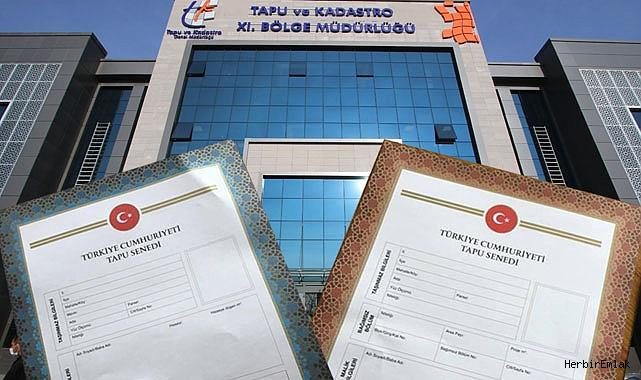
The largest additional expense is usually the TAPU title deed transfer tax (Tapu Harcı).
According to Turkish law, the transfer tax is 4% of the declared property value, which may differ from the actual purchase price. Legally, this tax is shared equally between the buyer and the seller. However, in practice, many transactions require the buyer to pay the entire amount.
For this reason, it is important to clarify all TAPU-related costs before signing the purchase agreement.
Certified Sworn Translator
If either the buyer or the seller is a foreign citizen who does not speak Turkish, a certified sworn translator must be present during the title deed transfer.
The translator explains the documents, interprets the transaction, and confirms that both parties fully understand the legal process before signing.
Government Fees and Required Documents
Depending on the type of transaction, additional administrative costs may apply.

These may include:
- Obtaining a Turkish tax identification number;
- Preparing a Power of Attorney for remote purchases;
- Notary services;
- Various government administrative fees.
Not every transaction requires all of these services. The final list depends on the buyer's individual circumstances and the purchase procedure.
Currency Exchange Certificate (DAB)
Foreign buyers are generally required to convert the purchase funds into Turkish Lira through a Turkish bank before completing the title deed transfer.
The bank issues a Foreign Currency Exchange Certificate (Döviz Alım Belgesi – DAB) confirming that the currency exchange has been completed in accordance with Turkish regulations.
This document is one of the required documents for most property transactions involving foreign buyers.
Property Valuation Report
A property valuation report is mandatory only when purchasing real estate under the Turkish Citizenship by Investment Program.
The report is prepared by a licensed valuation company approved by the Turkish authorities and confirms the official market value of the property.
For standard property purchases, a valuation report is generally not required unless requested by the parties involved.
Utility Connections
After receiving the TAPU, utility contracts must be transferred into the new owner's name.
These usually include:
- Electricity;
- Water supply;
- Natural gas (where available).
When opening new utility accounts or transferring existing contracts, service connection fees and refundable security deposits may apply.
Mandatory DASK Insurance
Before utilities can be connected, every residential property must have valid DASK (Compulsory Earthquake Insurance).
Without an active DASK policy, it is not possible to complete certain utility registrations.
The insurance premium depends on the property's location, size, and construction type.
Annual Costs After Buying Property
Owning property in Turkey also involves regular annual and monthly expenses.
These typically include:
- Annual property tax;
- Mandatory DASK insurance renewal;
- Monthly maintenance fees (Aidat), where applicable;
- Utility bills such as electricity, water, natural gas, and internet.
The amount of these expenses varies depending on the property's location, size, and the facilities offered by the residential complex.
How to Calculate Your Budget
When planning to buy property in Turkey, it is important to calculate not only the purchase price but also every additional cost associated with the transaction.
An experienced real estate professional can prepare a complete cost estimate before the purchase, explain each mandatory payment, and identify any expenses specific to your chosen property.
Knowing the full cost in advance helps you plan your finances properly and avoids unexpected expenses during the buying process.
Buying Property in Turkey with Demirağ Property
At Demirağ Property, we prepare a detailed purchase budget for every client before the transaction begins, ensuring complete transparency throughout the buying process.
We clearly explain which costs are mandatory, which depend on the specific property, and which expenses may not apply to your particular situation. This allows our clients to make informed decisions with confidence and avoid unexpected costs after signing the contract.
From selecting the right property to completing the TAPU registration, arranging DASK insurance, and connecting utilities, our specialists provide professional support at every stage of purchasing property in Turkey.